
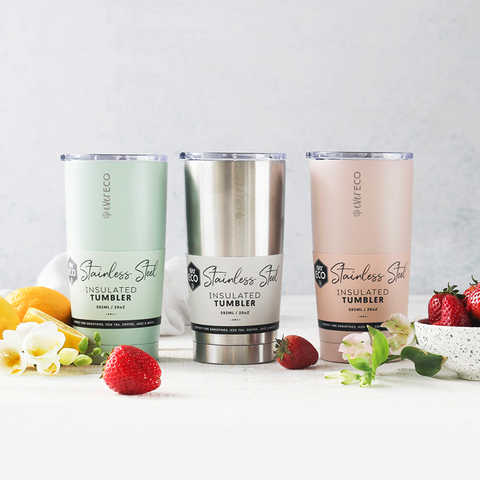
1. USE A REUSABLE CUP
Such a simple change can make such a big difference!
It’s estimated that Australians use over 1 billion disposable coffee cups per year. That’s approximately 2,700,000 single-use coffee cups thrown out each day!
While it looks like many of these cups are made from paper, most have a plastic lining and are therefore not recyclable.
The greenest choice is to carry your own reusable coffee cup. And the bonus is that many coffee outlets will offer you a discount off your tea.
If you have a café in your local area that’s signed up to Responsible Cafes, you can typically save 50c off your brew.
Click HERE to view the range of reusable coffee cups at Sustainahome.
2. DRINK YOUR TEA LOOSE
Drinking loose tea not only results in a superior brew, it’s also gentler on the environment. Tea bags often come with metal staples and additional packaging, all which took additional resources to produce. The added bonus for you is that loose tea is more economical than tea bags.
3. PACK AN INSULATED FLASK
You don’t need to just be going to a football game to pack an insulated flask of boiling water or tea. Pack one in the car for long trips, take one shopping, even take one to work!
Packing an insulated flask of tea saves you from purchasing tea on the go when out and about. The added bonus if you forget your reusable coffee cup is that you can use the lid of the flask as a cup!
4. CHOOSE AN ETHICAL BREW
Not all tea was created equal.
To ensure your brew contributes positively to our world, choose a Fairtrade tea (organic if possible).
When consumers purchase products with the Fairtrade Mark, they are supporting farmers and workers as they work to improve their livelihoods and provide better support to their communities. The Fairtrade Mark shows that the Fairtrade ingredients in the product have been produced by small-scale farmer organisations or plantations that meet internationally agreed Fairtrade social, economic and environmental standards.
The standards include protection of workers’ rights and the protection of children, the preservation of the environment, payment of the Fairtrade Minimum Price an additional Fairtrade Premium to invest in initiatives to support local communities or business development. Sounds like a fair enough choice, right?
5. COMPOST YOUR TEA LEAVES
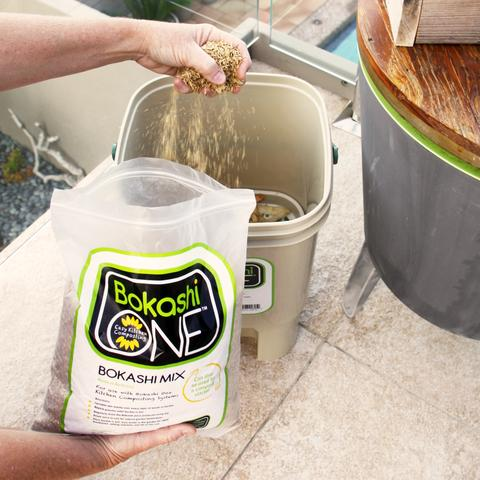
When you’ve finished your cuppa, pop your tea leaves in your compost or Bokashi bin to guarantee a zero-waste tea. The nutrient-rich fertilizer you produce will be welcomed by your garden.
FINAL THOUGHTS
An ethical and sustainable cup of tea is possible! By switching to a reusable cup, drinking your tea loose, packing an insulated flask, choosing an ethical brew and composting your tea leaves you’ll save money, waste and contribute to a cleaner, greener and fairer future for us all.
OVER TO YOU!
What’s your best sustainable tea drinking tips? Share in the comments below!

- Sustainable Home Design- factors to consider to maximise sustainability - July 28, 2022
- Advantage and Disadvantages of Tiny Houses - May 31, 2022
- How School Strike 4 Climate is Empowering Youth to Fight for Their Future - May 1, 2022
 Laura Trotta is one of Australia’s leading home sustainability experts. She has a Bachelor of Environmental Engineering, a Masters of Science (in Environmental Chemistry) and spent 11 years working as an environmental professional before creating her first online eco business, Sustainababy, in 2009. She has won numerous regional and national awards for her fresh and inspiring take on living an ‘ecoceptional’ life (including most recently winning the Brand South Australia Flinders University Education Award (2015) for the north-west region in SA and silver in the Eco-friendly category of the 2015 Ausmumpreneur Awards). With a regular segment on ABC Radio and with her work featured in publications like Nurture Parenting and My Child Magazine, Laura is an eco thought leader who’s not afraid to challenge the status quo. A passionate believer in addressing the small things to achieve big change, and protecting the planet in practical ways, Laura lives with her husband and two sons in outback South Australia.